
Why You’re Always Tired — It’s Not Just Stress
April 15, 2026
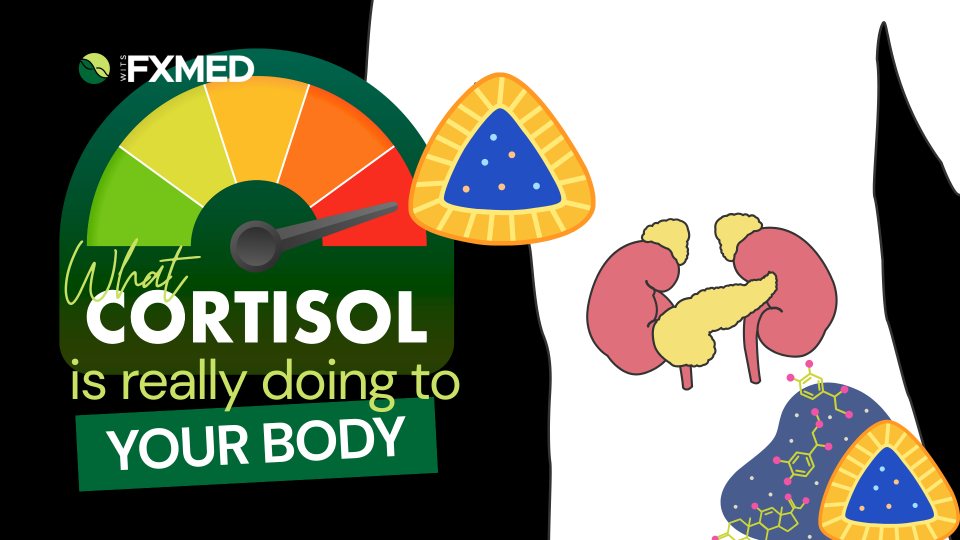
What Cortisol Is Really Doing to Your Body
April 28, 2026
Introduction: What You’ve Heard Isn’t Always True
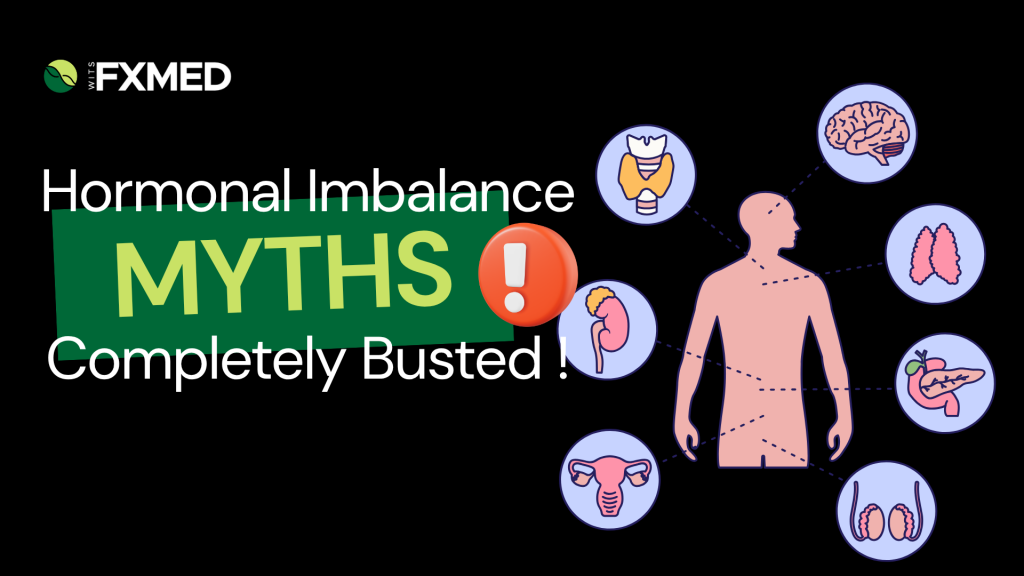
Understanding hormonal imbalance is essential to debunking these myths.
When it comes to hormones, there is a lot of information out there.
Some of it is helpful.
A lot of it is not.
You may have heard that hormonal issues only affect older women, but hormonal imbalance can impact anyone. Or that mood swings are just something you have to live with; in reality, they can be a symptom of hormonal imbalance. Or even that taking one supplement can “fix everything.”
These ideas are common.
But they are not accurate.
And believing them can keep you from getting the support you actually need.
Who This Is For
This is for you if you’ve been trying to understand your body, but feel confused by all the mixed messages.
You’ve probably read articles, watched videos, or heard advice from different places. Some of it sounds convincing, but it doesn’t fully match your experience.
You may even feel like your symptoms are being dismissed or oversimplified.
You’re not looking for quick answers.
You’re looking for the truth.
Why Hormone Myths Can Be Harmful
Hormonal imbalance is often misunderstood.
When myths are repeated often enough, they start to feel like facts. But acting on the wrong information can delay real progress.
You might ignore symptoms that need attention. Or try solutions that don’t address the root cause.
Understanding what is true, and what is not, is the first step toward real balance.
Myth 1: Hormonal Imbalance Only Affects Older Women
This is one of the most common misconceptions.
Hormonal imbalance can happen at any age. Teenagers, women in their 20s, 30s, and beyond can all experience changes.
Your hormones respond to your lifestyle, stress levels, and overall health. Age is just one piece of the puzzle.
If something feels off, it’s worth paying attention, no matter your age.
Myth 2: Mood Swings Are Just “Normal”
It’s easy to dismiss emotional changes as something you simply have to deal with.
But frequent mood swings, anxiety, or irritability can be signs that something deeper is going on.
Hormones play a major role in how you feel emotionally. When they are out of balance, your mood can shift more than usual.
You don’t have to accept emotional instability as your normal.
Myth 3: You Can Fix Hormones With One Supplement
There is no single pill that can balance your hormones.
While supplements can be helpful, they are not a complete solution on their own.
Hormones are influenced by many factors. Nutrition, sleep, stress, gut health, and lifestyle all play a role.
Focusing on one quick fix often leads to disappointment.
Myth 4: If Your Period Is Regular, Your Hormones Are Fine
A regular cycle does not always mean everything is balanced.
You may still experience fatigue, skin changes, mood shifts, or other symptoms even with a predictable cycle.
Hormonal health is about more than timing.
It’s about how your entire system is functioning.
Myth 5: Hormonal Issues Will Fix Themselves
Some people assume that if they wait long enough, things will naturally return to normal.
While the body is capable of healing, ongoing imbalances often need support.
Ignoring symptoms can allow them to become more complex over time.
Listening early can make a significant difference.
What Actually Matters When It Comes to Hormones
Instead of focusing on myths, it’s more helpful to look at the full picture.
Your hormones are influenced by your daily habits. Your stress levels, the quality of your sleep, and the food you eat all send signals to your body.
Your gut health also plays a role in how hormones are processed and balanced.
When you begin to understand these connections, things start to make more sense.
The FXMED Approach to Hormonal Health
At FXMED, we believe in clarity over confusion.
We don’t rely on assumptions or trends. We focus on understanding your unique body.
We explore what’s happening beneath the surface.
We look at patterns, not just isolated symptoms.
And we create a plan that supports real, lasting balance.
Your body is not random.
There is always a reason behind what you’re experiencing.
When to Question What You’ve Been Told
If something doesn’t feel right in your body, it’s okay to question common advice.
You don’t have to accept discomfort as normal.
You don’t have to rely on guesswork.
Seeking deeper understanding is not overreacting.
It’s taking your health seriously.
Final Thoughts: Truth Leads to Better Health
Hormonal imbalance is real.
But so is the confusion surrounding it.
When you separate myths from facts, you give yourself a better chance to heal.
Your body is always communicating.
The more accurately you understand those signals, the better you can respond.