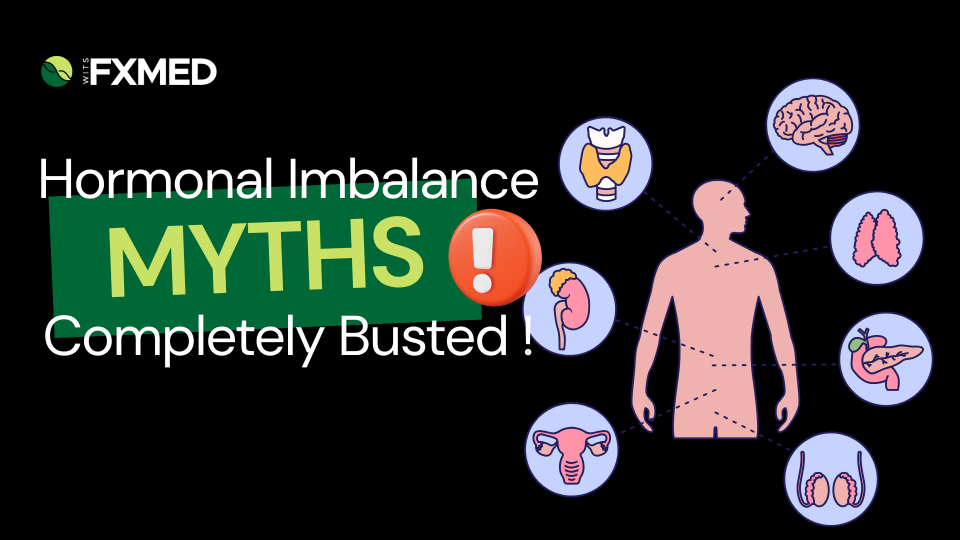

Hormonal Imbalance Myths — Completely Busted
April 28, 2026
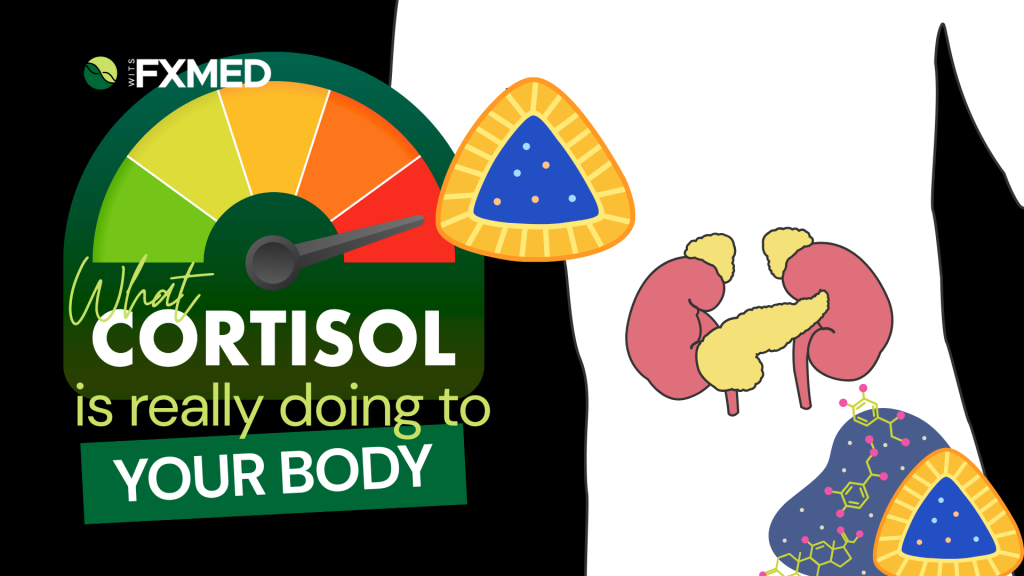
You have probably heard it called the stress hormone. But cortisol is doing a lot more than responding to a bad day, and understanding what it actually does inside your body might change how seriously you take your stress levels.
Cortisol: The Master Regulator of Your Body
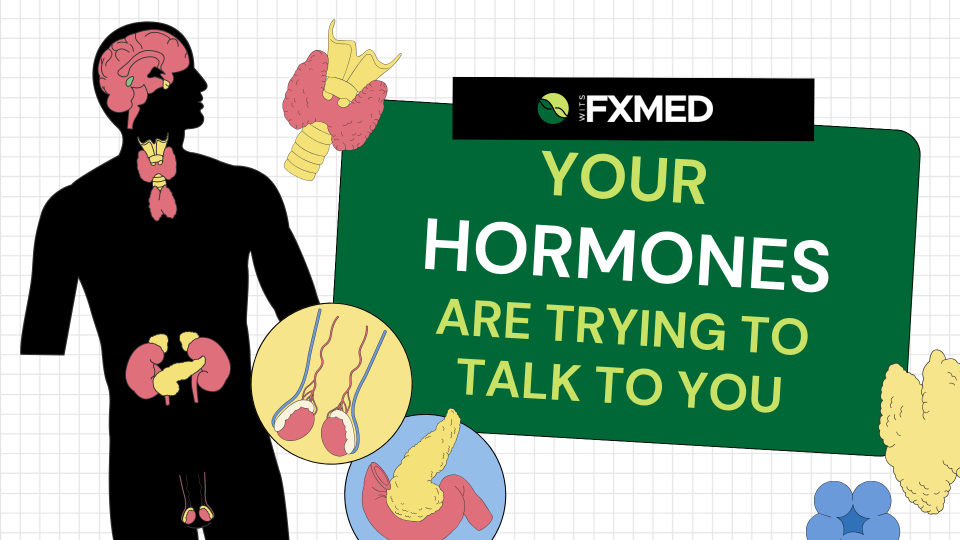
Cortisol is produced by the adrenal glands, two small glands that sit right on top of your kidneys. Every single day, your body runs on a cortisol rhythm. Levels rise just before you wake up, peak in the morning to get you going, then gradually fall through the evening so you can wind down and sleep. This is your cortisol awakening response, and it is one of the most important patterns in your entire hormonal system.
Beyond stress, cortisol regulates blood sugar, manages inflammation, controls blood pressure, and plays a direct role in immune function. It touches nearly every organ system in the body. The issue is not that cortisol exists. It is when it stops following its natural rhythm.
When Cortisol Goes Wrong
Cortisol: Understanding Its Impact on Your Health
Chronically elevated cortisol sets off a cascade most people never connect to stress. It breaks down muscle tissue while simultaneously redistributing fat, pulling it away from the limbs and depositing it around the abdomen. It raises blood sugar by signaling the liver to release glucose, even when you have not eaten. Over time, this contributes to insulin resistance and can increase the risk of Type 2 diabetes.
It also interferes with your thyroid. High cortisol suppresses the conversion of T4 into the active T3 hormone, which is the one that actually drives your metabolism and energy levels. This is why so many people dealing with chronic stress feel sluggish, gain weight, and run cold, even when thyroid tests come back completely normal.
Reproductive hormones take a hit too. Cortisol suppresses the signaling hormones that tell your body to produce oestrogen, progesterone, and testosterone. Irregular cycles, low libido, and fertility challenges are often downstream effects of a stress response that never fully switches off.
What Chronic Cortisol Elevation Does to Your Brain
This is where it gets serious. Short term, cortisol sharpens focus and alertness. That is its job during acute stress. But chronic elevation begins to structurally affect the brain. It disrupts REM sleep, impairs memory and concentration, and contributes to anxiety and depression. Long term, high cortisol has been linked to changes in the hippocampus, the part of the brain responsible for memory and emotional regulation.
The pattern most people describe is feeling simultaneously wired and exhausted, unable to sleep deeply, unable to think clearly, and unable to understand why.
The Functional Medicine Angle
Rather than simply managing symptoms, the more useful question is: what is keeping your stress response activated in the first place?
Blood sugar dysregulation, poor sleep, gut inflammation, unresolved emotional stress, and nutrient deficiencies can all keep cortisol elevated. These are not separate issues. They feed each other in a loop that standard lab work often misses entirely.
Supporting cortisol balance starts with the foundations: consistent sleep and wake times, blood sugar stability through balanced meals, nervous system regulation through breathwork or movement, and reducing the chronic low grade stressors that most people have simply stopped noticing.
Cortisol is not the villain. Dysregulation is. And the body always has a reason for it.
Ready to understand what your cortisol is doing? At WITS FxMed, we take a root cause approach to stress, hormones, and energy. [Book a consultation today.]
#cortisolhealth #stresshormone #functionalmedicine #hormonalbalance #mindbodyhealth #holistichealth